 FOR LIQUID DIGESTATE
01
RM Digestate Dryer
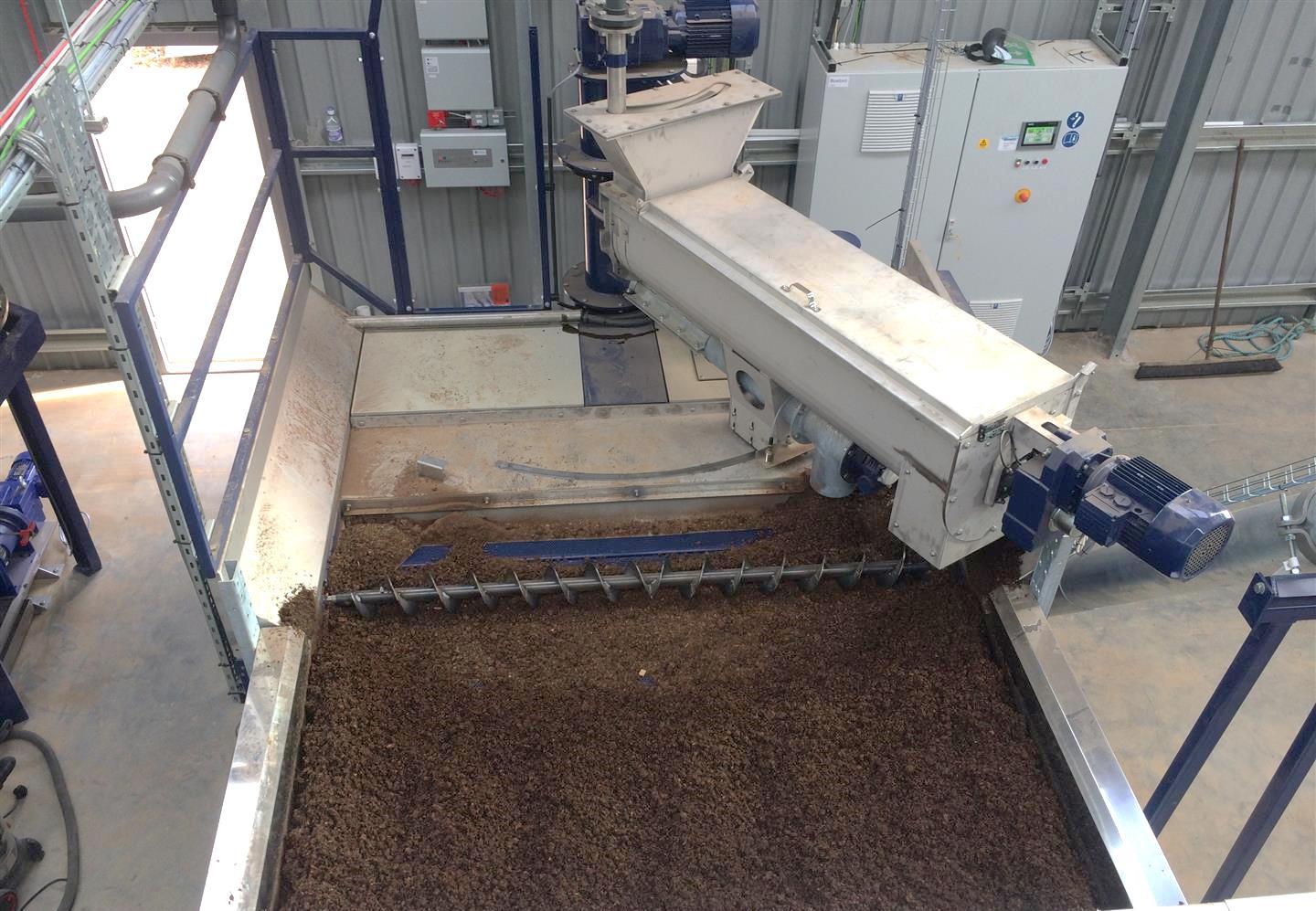
A plate-belt drying system that remixes liquid digestate without a separator and creates a granular product that retains high NPK content.
Technical details →

RM AND KS PRODUCT FAMILY
RM with remixing for liquid digestate; KS with a dedicated dosing head for dewatered sludge.
RM AND KS PRODUCT FAMILY
Drying surface determines capacity. Systems scale with 2 or 3 metre belt widths and multiple lengths; outside air heated by hot water is drawn through the product layer.
FOR LIQUID DIGESTATEA plate-belt drying system that remixes liquid digestate without a separator and creates a granular product that retains high NPK content.
Technical details →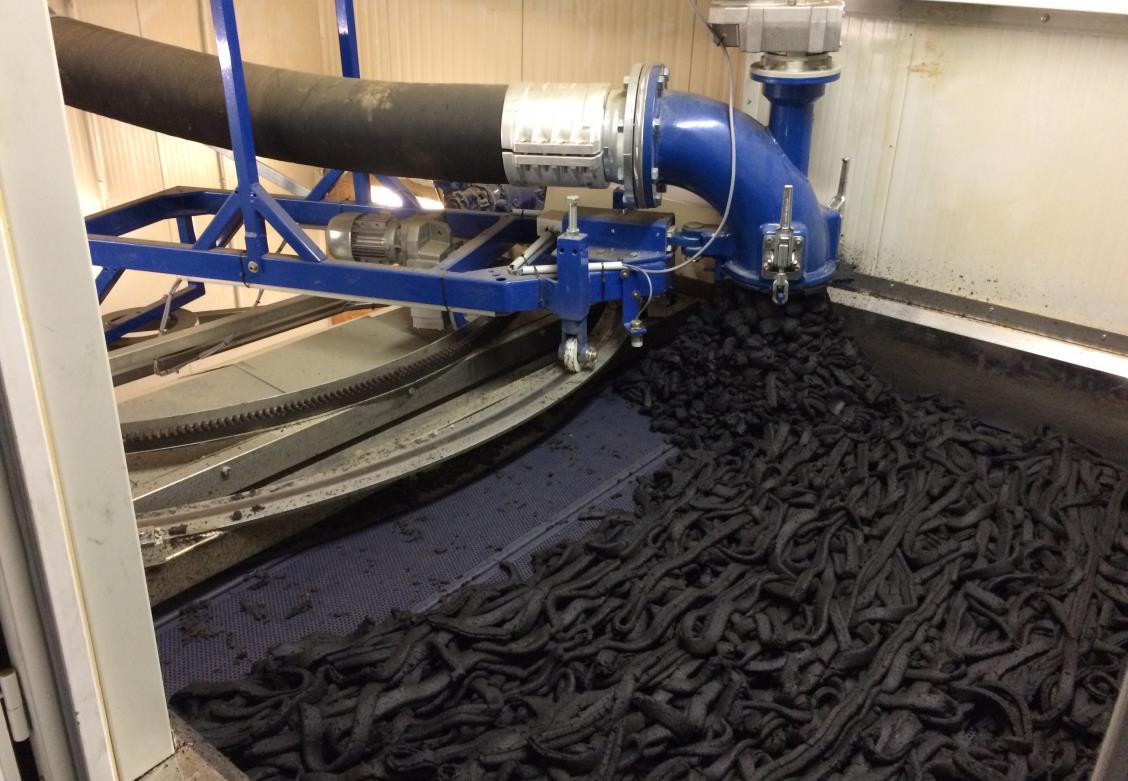 FOR SEWAGE SLUDGE
A system that spreads dewatered sludge evenly with a travelling pasta dosing head and creates a homogeneous dry product using low temperature and waste heat.
Technical details →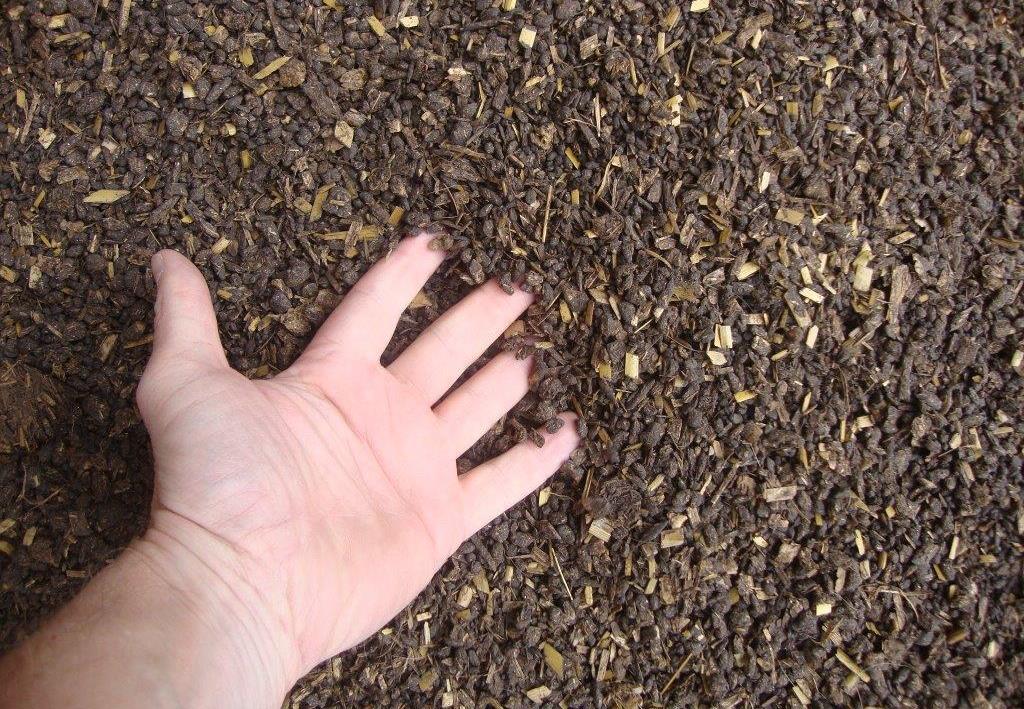
RM DIGESTATE DRYER
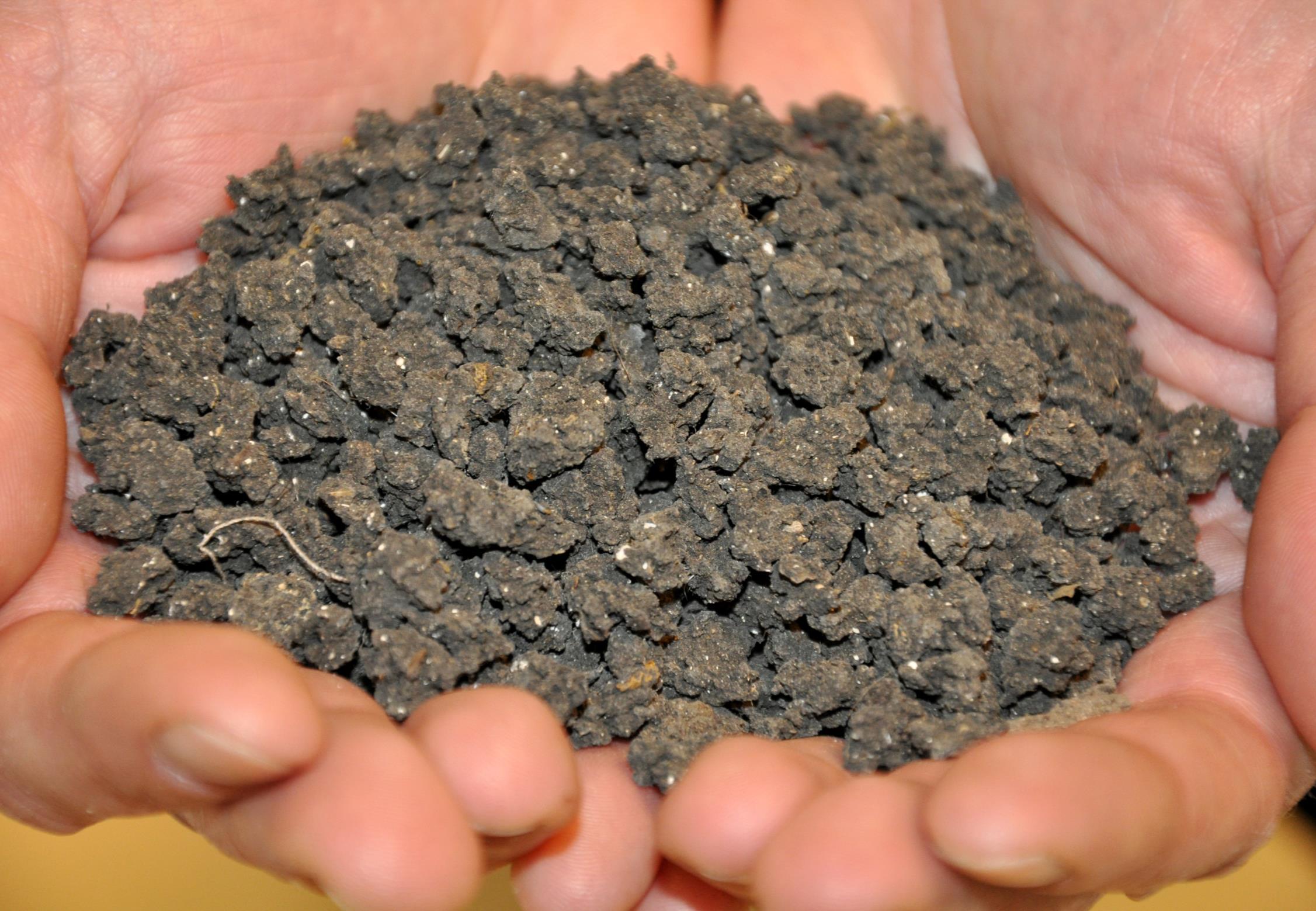
Liquid digestate at about 8% dry matter is remixed with part of the dried product until it reaches 45-60% DM. The mix is spread onto the perforated belt and dried to 85-88% DM. Typical digestate may retain approximately N 25, P 30 and K 60 kg/ton; the process adds no NPK.
KS SLUDGE DRYER
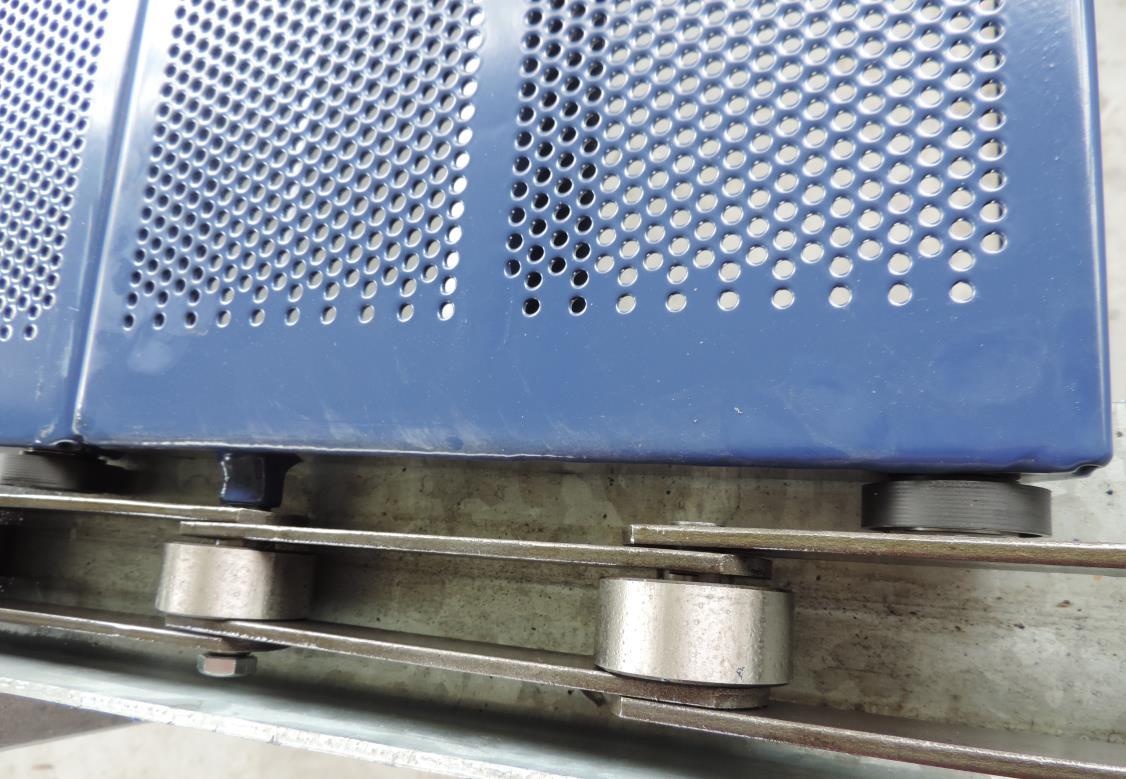
Dewatered sludge at 18-22% DM is fed by a solids pump to a travelling dosing head. Replaceable dies and an integrated cleaning blade distribute product evenly; the system dries sludge to approximately 85-90% DM.
END-PRODUCT VALUE
Drying reduces storage, transport and processing costs. Depending on material composition, further processing may include pelleting, sanitation, pyrolysis, fuel, biosolids or use in cement production.
SYSTEM SELECTION
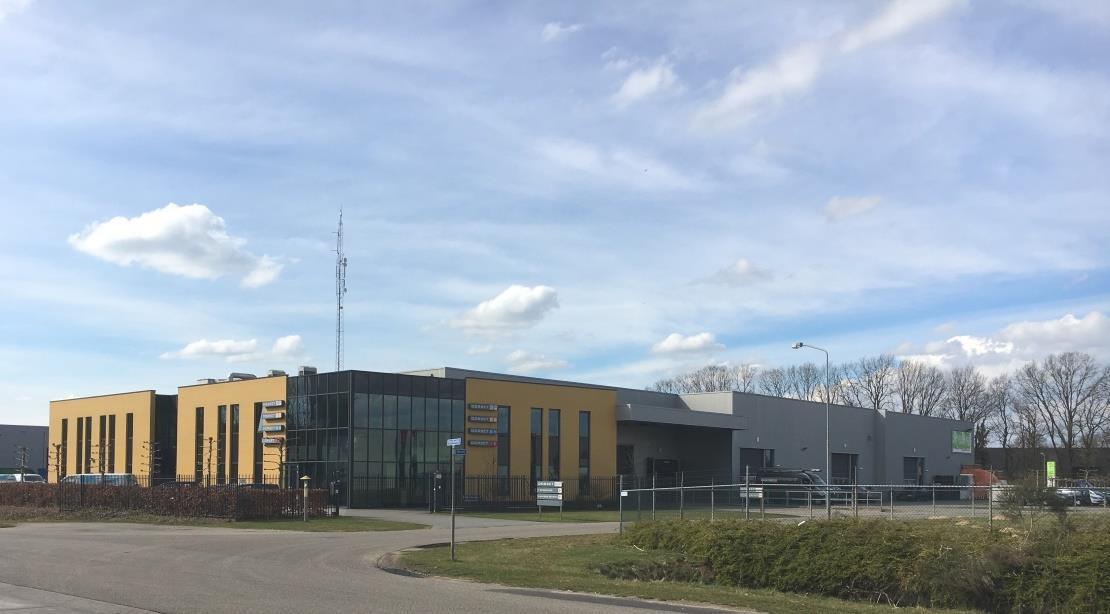
The right configuration is defined by hourly evaporation demand, material analysis, hot-water temperature, available area, storage flow and local emission requirements.
Contact
Share your material analysis and capacity target.